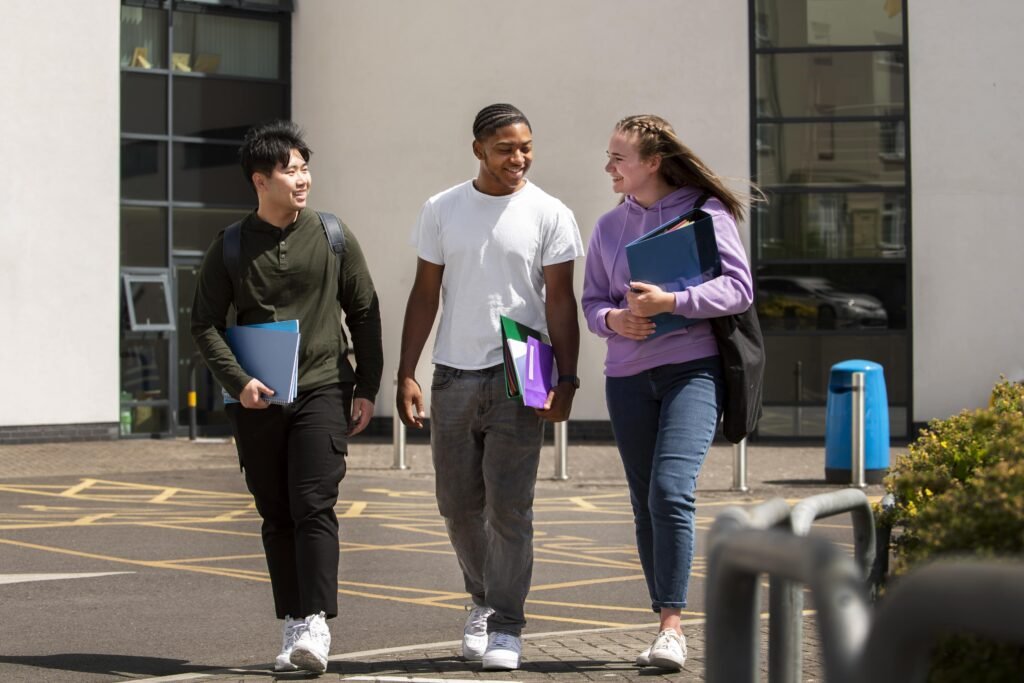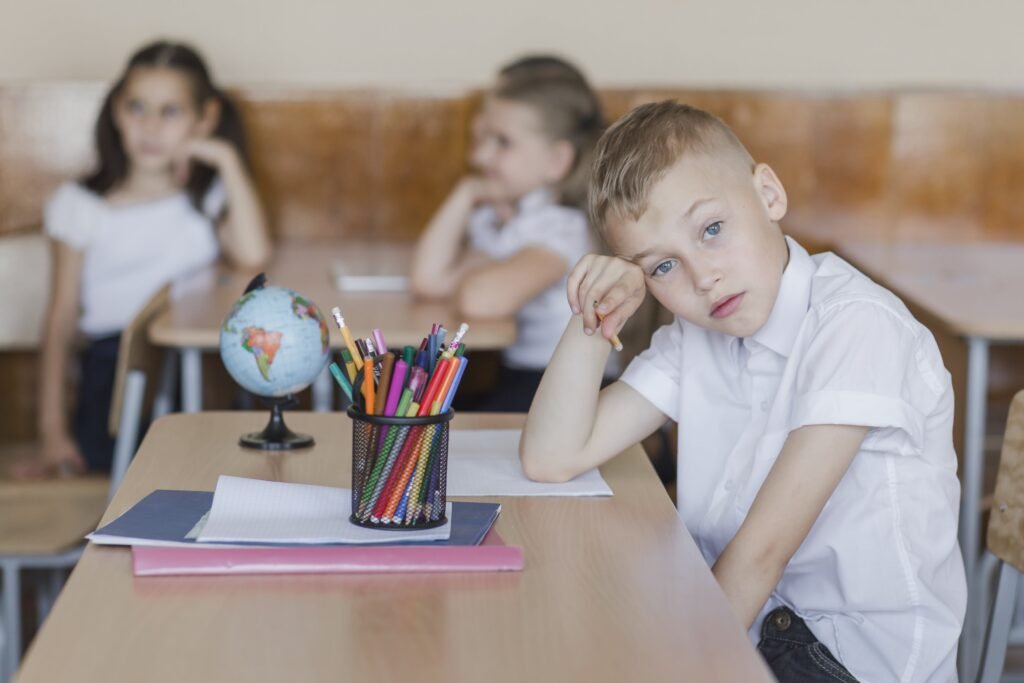
A new worldwide survey has revealed a stark reality: English teenagers are among the worst in the world at developing key social and emotional skills. Behind South Korean, Latvian, and Croatian teenagers at perseverance, empathy, self-control, and assertiveness, they are slipping behind.
But what does it mean for the future of our children—and what can we, parents and educators, do to prevent it?
The Unspoken Skills Gap
Though schools continue to focus on learning curriculum, soft skills remain the key indicator of future success. Communication, teamwork, emotional regulation, and self-awareness are no longer “nice to have” but are essential for thriving in the workplace, in relationships, and life in a fast-changing world.
The OECD’s findings are that many UK students are poorly equipped in exactly the above. It’s not just a matter of politeness or niceness. It’s the ability to articulate ideas, work together as a team, recover from failure, and converse intelligently with other people—abilities that affect everything from happiness to job prospects.
Why Schools Alone Can’t Fill the Gap
Conventional schooling systems are pulled too thin. Under more academic stress and a closed-down curriculum, there’s neither time nor space to develop confidence, emotional strength, or self-expression. As a result, many teenagers are entering adulthood academically ready—but socially and emotionally uncooked.
The dilemma is stark: how do we prepare our children with the human capabilities they will need in a world in which AI and automation are reshaping the world of work at an unprecedented pace?
Soft Skills Are Trainable—But Only If We Make Them a Priority
The best news? Social and emotional skills are not hardwired—they can be taught. Like coding or math, confidence and communication can be built through practice, feedback, and actual life challenges.
At Naarai Academy, we believe that personal growth must be given as much importance as technical skills. So, our classes are designed such that we include soft skills in every interaction: from collaboration and presentations to reflective journaling and empathy development activities.
Because the future belongs to those who not only think critically, but also listen, collaborate, and lead with empathy.
What Parents Can Do
This is how you can assist your child with emotional building today:
- Promote selfexpression. Encourage them to express themselves and listen to their feelings without judgment.
- Expose them to teamwork. In extracurricular activities or group learning, teamwork builds resilience.
- Choose programs that build the whole person. Choose learning opportunities that include hard skills and soft skills—rather than course content only.
Last Thought
The future will not be owned by those who can code—it will be guided by those who can connect.
As the statistics show, we need to act now. Let us give our children more than a degree of academic achievement—let’s give them the know-how to thrive as confident, capable, and emotionally intelligent human beings.
At Naarai Academy, soft skills aren’t a side benefit but are built into everything we do.
Whether students are pitching their ideas, collaborating on a group project, or reflecting in their digital journal, they’re constantly practicing communication, creativity, leadership, and emotional intelligence.
Our live sessions encourage open discussion and peer feedback, while challenges and presentations push students to step outside their comfort zone in a safe, supportive environment.
By integrating these essential human skills into every project, Naarai helps kids grow not just as learners—but as confident, self-aware individuals ready to thrive in any future.
Communication
Students should not just absorb information – they should know how to express it. From presenting their projects in front of peers to giving and receiving constructive feedback, every class builds the foundations of strong communication. We encourage clarity, confidence, and active listening to help children speak up, share ideas, and connect meaningfully with others in any setting.
Collaboration
Teamwork is at the heart of many Naarai projects. Students often work in small groups to brainstorm, build, and troubleshoot together. In doing so, they learn how to respect different perspectives, divide responsibilities, and support each other toward a shared goal. These skills are essential for future academic, professional, and social success.
Leadership
Whether taking the lead in a group challenge or guiding their peers through a shared task, students are given opportunities to step up. We foster leadership not by assigning titles, but by empowering children to solve problems, take initiative, and help others do their best. Over time, they begin to see themselves as capable, proactive contributors.
Creativity
Naarai students use tech not just to follow instructions, but to invent. Every course is designed to nurture imagination, whether they’re designing a new product, building a custom website, or coding an original game. We treat mistakes as stepping stones and encourage experimentation, helping kids build confidence in their ideas and originality.
Critical Thinking
Our project-based learning approach challenges students to ask “why,” “how,” and “what if.” Instead of handing them answers, we guide them in breaking down problems, analyzing feedback, and iterating on their work. These real-world thinking habits help children become thoughtful, independent learners who aren’t afraid to tackle new challenges.
Emotional Intelligence
Through journaling, group reflection, and live mentorship, students learn to understand their own and their peers’ feelings. We create space to explore self-awareness, empathy, and resilience. Qualities that support mental well-being, as well as strengthen relationships and leadership potential.
Ready to help your child grow in confidence, creativity, and purpose?
Join Naarai Academy today — where students feel confident about their future.