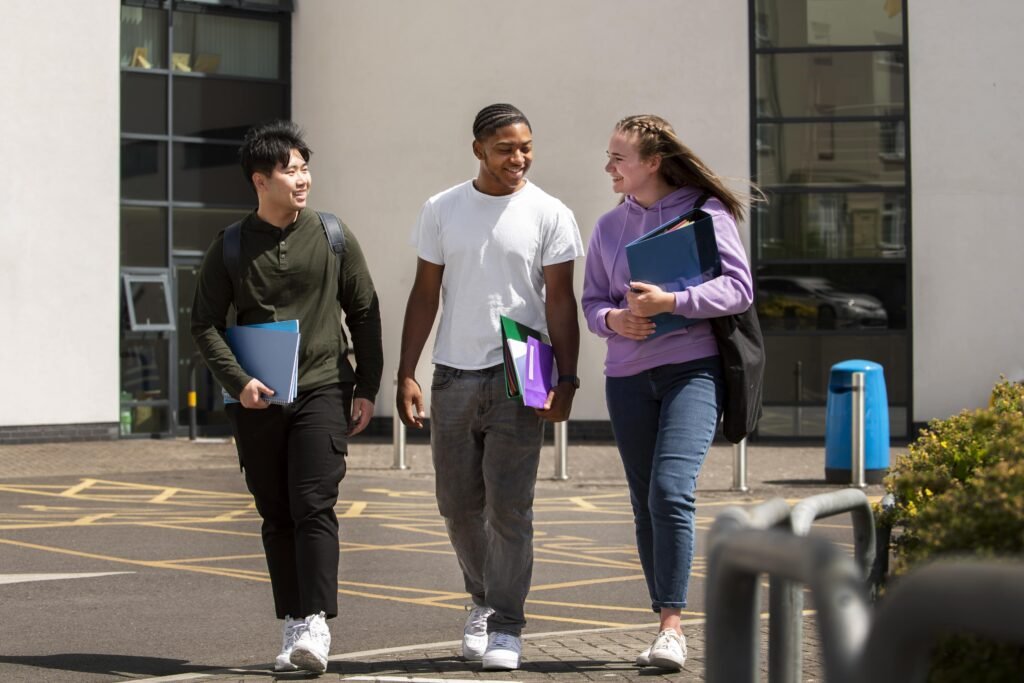
For a long time, we’ve told our kids that school is the key to success. We’ve told them that if they get good grades, study hard, and follow the rules, they’ll be ready for life.
But many parents are starting to notice something.
Their child can solve a maths problem but can’t manage their time.
They can memorise facts for a test but don’t know how to speak up when something feels wrong.
They can code a website, but freeze when asked to present it.
They know a lot, but often don’t know themselves.
Something’s missing—and it’s not another subject. It’s something deeper.
It’s the ability to listen, express, regulate, lead, empathise, plan, collaborate, and grow.
These are called soft skills. And for years, our education system has treated them as optional. But they’re not optional anymore.
A New Shift Is Happening
In Manchester, a pilot programme is starting to teach these skills in schools. Teenagers are learning how to manage their time, resolve conflict, build confidence, and develop empathy. For many of them, this is the first time anyone has asked how they feel, or helped them understand how to handle their emotions.
It’s a powerful moment. It shows we’re starting to understand that education isn’t just about what a child knows, but about who they are becoming.
And here’s why this matters even more.
Growing Up Is Harder Now
Let’s be honest. Growing up today is harder than it was for us.
Kids and teens are under constant pressure—sometimes invisible, sometimes crushing. They’re online all the time. They compare themselves to others constantly. They’re expected to perform, to stay focused, to succeed, to fit in—and to do all this without ever really learning how to handle life.
They are expected to be resilient, but are rarely taught what resilience really is.
They are expected to collaborate, but are rarely shown how to work with different personalities.
They are expected to be emotionally aware, but no one teaches them how to pause and reflect.
This disconnect has consequences. Many children grow up anxious, insecure, or unsure of themselves. They enter adulthood full of knowledge, but lacking the basic tools to manage relationships, emotions, and self-worth.
And when they enter the workplace, it hits even harder.
What Gen Z Is Really Looking For
According to McKinsey, Gen Z wants more than just a job. They want meaning, growth, connection. They’re digital natives, yes—but that doesn’t mean they’re emotionally prepared for modern work.
They care about values. They expect employers to be transparent and fair. They want regular feedback, mental health support, flexible systems, and purpose. They don’t just want to make money. They want to make an impact.
Deloitte found the same thing: Gen Z professionals are clear about what they want. They value empathy, inclusion, mental well-being, and strong communication. They want leaders who care, workplaces that listen, and space to express themselves.
But here’s the gap.
Employers are saying that many young people don’t yet have the soft skills they need. They know how to use tools. But they don’t always know how to speak clearly. Or how to take initiative. Or how to resolve conflict. Or how to cope when things go wrong.
This isn’t a personal failure. It’s a systems failure.
Our education system still puts far more weight on test scores than personal growth. It still treats emotional intelligence like a side topic, not a core part of development.
But change is coming, and it has to come fast.
If This Resonates With You…
If you’ve ever looked at your child and thought I know you’re smart, but I want you to feel strong too…
If you’ve ever felt like something is missing in their education…
If you want them to be confident, creative, and emotionally grounded…
Then maybe Naarai is the right space for your family.
We’re not here to replace school. We’re here to complete what school has forgotten.
Come take a look. You might just find what you’ve been looking for.